

Landscape fabric is often marketed as a one-size-fits-all solution—but thickness (or weight) plays a critical role in how well it performs. Choose too thin, and weeds break through quickly. Go too thick, and you might waste money or even harm soil health in planting areas.
So how do you choose the right thickness?
The answer depends on where you’re using it, how long you need it to last, and the level of weed pressure you’re dealing with.
Contents []
Understanding Landscape Fabric Thickness

Unlike typical materials measured in millimeters, landscape fabric thickness is usually expressed in ounces per square yard (oz/yd²).
This weight indicates:
- Material density
- Durability and tear resistance
- Longevity under stress and exposure
General Thickness Categories
| Fabric Weight | Category | Typical Use Case |
|---|---|---|
| 0.5 – 1.5 oz | Lightweight | Temporary weed control, garden beds |
| 1.5 – 3 oz | Medium-duty | Residential landscaping, mulch beds |
| 3 – 5 oz | Heavy-duty | Slopes, moderate traffic areas |
| 5+ oz | Commercial-grade | Driveways, gravel paths, hardscaping |
Lightweight Fabric (0.5–1.5 oz): When Is It Enough?

Lightweight landscape fabric is the most affordable and easiest to install.
Best For:
- Short-term weed suppression
- Vegetable gardens or seasonal beds
- Under mulch in low-traffic areas
Pros:
- Budget-friendly
- Easy to cut and install
- Good water permeability
Cons:
- Tears easily
- Degrades quickly (often within 1–2 years)
- Less effective against aggressive weeds
Verdict: Use only if you don’t need long-term durability.
Medium-Weight Fabric (1.5–3 oz): The Balanced Choice
This is the most commonly recommended range for homeowners.
Best For:
- Flower beds and ornamental landscapes
- Around shrubs and trees
- General weed control under mulch
Pros:
- Better durability than lightweight options
- Decent lifespan (3–5 years or more)
- Maintains permeability while resisting weeds
Cons:
- Still not ideal for heavy traffic or gravel loads
Verdict: The best all-around option for most residential landscaping projects.
Heavy-Duty Fabric (3–5 oz): Built for Tough Conditions
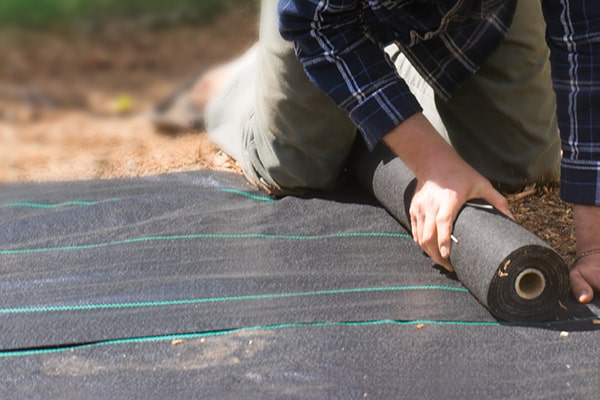
Heavy-duty fabric is designed to handle more stress and last longer.
Best For:
- Sloped areas prone to erosion
- Under decorative rock or gravel
- Areas with persistent weed problems
Pros:
- High tear resistance
- Longer lifespan (5–10+ years)
- Strong weed barrier
Cons:
- More expensive
- Harder to cut and install
- Can restrict soil aeration in planting beds
Verdict: Worth it for durability—but not always necessary for softscape areas.
Commercial-Grade Fabric (5+ oz): Maximum Strength
This is the thickest and most durable option available.
Best For:
- Driveways and parking areas
- Heavy gravel installations
- Commercial landscaping projects
Pros:
- Extremely durable
- Handles heavy loads and foot traffic
- Long lifespan (10–20 years)
Cons:
- Expensive
- Overkill for most home gardens
- Can significantly limit soil interaction
Verdict: Only use for hardscaping—not for planting beds.
Key Factors That Should Guide Your Choice

1. Type of Project
- Garden beds: 1.5–3 oz (or skip fabric entirely and use mulch)
- Gravel paths: 3–5 oz
- Driveways: 5+ oz
2. Weed Pressure
If you’re dealing with aggressive weeds (like Bermuda grass), opt for thicker fabric—but remember, no fabric is 100% weed-proof long-term.
3. Longevity Expectations
Ask yourself:
- Is this temporary or permanent?
- Do you want to replace it every 2 years—or install it once?
Thicker fabric = longer lifespan (generally).
4. Soil Health Considerations
Thicker fabrics can:
- Limit airflow
- Reduce organic matter exchange
- Impact beneficial soil organisms
This is why many gardeners avoid heavy fabric in plant-heavy areas.
Common Mistakes to Avoid
1. Choosing Thickness Based on Price Alone
Cheap, thin fabric often fails quickly, leading to higher costs over time.
2. Using Heavy Fabric in Garden Beds
It may suppress weeds but can also hinder plant growth and soil health.
3. Skipping Proper Installation
Even the thickest fabric won’t work if:
- It’s not secured properly
- Seams are left exposed
- It’s not covered with mulch or gravel
4. Expecting Permanent Weed Control
Weeds can still grow on top of the fabric from accumulated debris.
Do You Need the Thickest Option?
Not necessarily.
More thickness doesn’t always mean better results. It just means more durability—and sometimes less flexibility.
Smart Rule of Thumb:
- Use the lightest fabric that can handle your specific application
This approach balances cost, performance, and soil health.
Final Verdict

Choosing the right landscape fabric thickness comes down to matching the material to your project:
- 0.5–1.5 oz: Temporary or low-demand use
- 1.5–3 oz: Best for most garden beds
- 3–5 oz: Ideal for gravel and slopes
- 5+ oz: Only for heavy-duty hardscaping
If you’re working with living soil and plants, avoid going too thick. But if durability and weed suppression in high-traffic areas are your priority, investing in heavier fabric pays off.


