


Landscape fabric can be an effective solution for long-term weed control, but its performance depends on choosing the right product and installing it correctly. Even a high-quality weed barrier may not deliver the expected results if common installation mistakes are overlooked.
Whether you’re creating a new garden bed, installing a gravel pathway, or upgrading your landscaping, understanding these common pitfalls can help maximize the effectiveness and lifespan of your landscape fabric.
Contents []
7 Mistakes in Choosing Weed Barrier Fabric
-
Mistake #1: Choosing the Wrong Type of Landscape Fabric
Mistake #2: Installing Landscape Fabric Over Existing Weeds
Mistake #3: Overlapping Seams Incorrectly
Mistake #4: Forgetting to Secure the Fabric
Mistake #5: Using Landscape Fabric in the Wrong Locations
Mistake #6: Covering the Fabric with Too Little Mulch
Mistake #7: Focusing Only on Initial Cost
Best Practices for Successful Landscape Fabric Installation
Choosing the Right Landscape Fabric for Long-Term Results
7 Mistakes in Choosing Weed Barrier Fabric

Avoid common landscape fabric mistakes that can reduce weed control and shorten the life of your landscaping fabric. This guide highlights frequent landscape fabric mistakes and explains how selecting a durable woven product, such as ECOgardener Landscape Fabric, can support better long-term results.
Mistake #1: Choosing the Wrong Type of Landscape Fabric
Not all landscape fabrics are designed for the same applications. Lightweight weed barriers may be suitable for temporary projects, while permanent landscape installations often require more durable materials.
Selecting a woven landscape fabric for garden beds, pathways, gravel areas, and other long-term applications can provide better strength, water permeability, and resistance to wear.
How ECOgardener Helps

ECOgardener Landscape Fabric is manufactured using a durable woven polypropylene construction that balances weed suppression with water and air permeability, making it suitable for a wide range of residential and commercial landscaping projects.
Mistake #2: Installing Landscape Fabric Over Existing Weeds
Landscape fabric is designed to suppress future weed growth, not eliminate mature weeds that are already established.
Before installation, remove existing weeds, roots, and debris to create a clean, level surface. Skipping this step can allow aggressive weeds to continue growing beneath or through the fabric over time.
How ECOgardener Helps
Because ECOgardener Landscape Fabric is intended for long-term weed management, installing it over properly prepared soil helps maximize its effectiveness and durability.
Mistake #3: Overlapping Seams Incorrectly
Poorly joined sections of landscape fabric can leave gaps where weeds may emerge.
When installing multiple pieces, overlap adjacent sections according to the manufacturer’s recommendations and secure them with landscape staples or pins. Proper seam placement helps create a more continuous weed barrier.
How ECOgardener Helps
The woven construction maintains its shape during installation, making it easier to align sections and create consistent overlaps across larger landscaping projects.
Mistake #4: Forgetting to Secure the Fabric
Loose landscape fabric may shift over time due to wind, heavy rain, foot traffic, or mulch movement.
Using landscape staples at regular intervals helps keep the fabric in place and maintains full contact with the soil throughout the installation.
How ECOgardener Helps
The durable woven material resists stretching during installation, making it easier to secure and maintain a stable surface beneath mulch, gravel, or decorative stone.
Mistake #5: Using Landscape Fabric in the Wrong Locations
Landscape fabric is not appropriate for every gardening application.
For example, annual flower beds that require frequent digging or areas intended for regular tilling may benefit from alternative weed management methods. Landscape fabric generally performs best in permanent landscape beds, around shrubs and trees, beneath gravel pathways, and in other long-term installations.
How ECOgardener Helps
ECOgardener Landscape Fabric is designed for projects where long-lasting weed suppression and durability are priorities, making it well suited for established landscapes rather than frequently disturbed planting areas.
Mistake #6: Covering the Fabric with Too Little Mulch
Landscape fabric performs best when paired with an appropriate layer of mulch, decorative stone, or gravel.
Surface materials help protect the fabric from prolonged UV exposure, improve the landscape’s appearance, and further discourage weed growth. Following recommended mulch depths can also help preserve moisture and reduce erosion.
How ECOgardener Helps
When used beneath mulch or decorative stone, ECOgardener Landscape Fabric provides a durable base layer that supports long-term landscape performance while allowing water and nutrients to reach the soil.
Mistake #7: Focusing Only on Initial Cost
It can be tempting to choose the least expensive weed barrier available, but upfront savings do not always translate into long-term value.
Lower-quality landscape fabrics may tear more easily, require earlier replacement, or perform less effectively under heavy use. Considering durability, permeability, and expected lifespan often provides a more complete assessment of value.
How ECOgardener Helps
ECOgardener Landscape Fabric is designed for long-term applications where durability, water permeability, and reliable weed suppression can help reduce maintenance and replacement needs over time.
Best Practices for Successful Landscape Fabric Installation
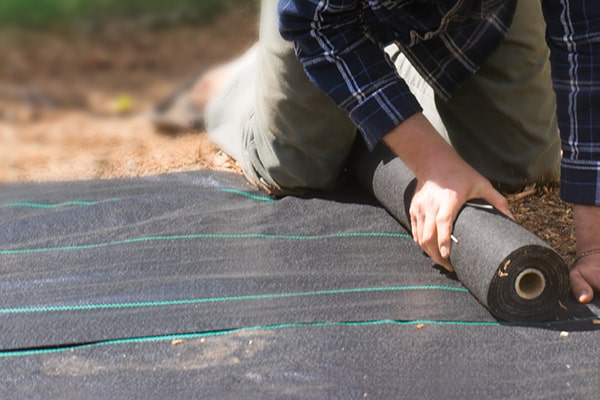
Regardless of the product you choose, following proper installation techniques can improve performance and extend the life of your landscape fabric.
- Prepare the soil by removing existing weeds, roots, and debris.
- Select a landscape fabric designed for your specific application.
- Overlap seams correctly to minimize weed growth between sections.
- Secure the fabric with landscape staples or pins.
- Cover the fabric with mulch, gravel, or decorative stone for added protection.
- Inspect the installation periodically and address any exposed edges or damaged sections.
Choosing the Right Landscape Fabric for Long-Term Results

Successful weed control depends on both proper installation and selecting a landscape fabric designed for your project’s needs.
For permanent landscape beds, gravel pathways, driveways, greenhouse floors, and other long-term applications, a durable woven landscape fabric such as ECOgardener Landscape Fabric can provide dependable weed suppression while supporting water movement and healthy soil conditions.
By avoiding common installation mistakes and choosing materials designed for lasting performance, homeowners and landscape professionals can build outdoor spaces that require less maintenance and remain attractive for years to come.


